
Civil Infrastructure in Victoria Has Entered a New Phase
For years, the headline story in Victorian infrastructure centred on mega transport. Level crossing removals, major road upgrades, tunnel packages and rail corridors set the pace for the market and shaped how many contractors built their teams, supply chains and estimating models.
That story has not disappeared. Transport still holds the largest share of the national public infrastructure pipeline. But the market has shifted. Growth now comes from a broader mix of housing infrastructure Victoria, enabling infrastructure Victoria, utilities, energy transmission and regional upgrades that unlock development and strengthen resilience. Infrastructure Australia’s 2025 market capacity work points to that change clearly, with utilities such as energy transmission leading pipeline growth, while building projects, including social housing, also rise. At the same time, transport still accounts for more than half the total pipeline.
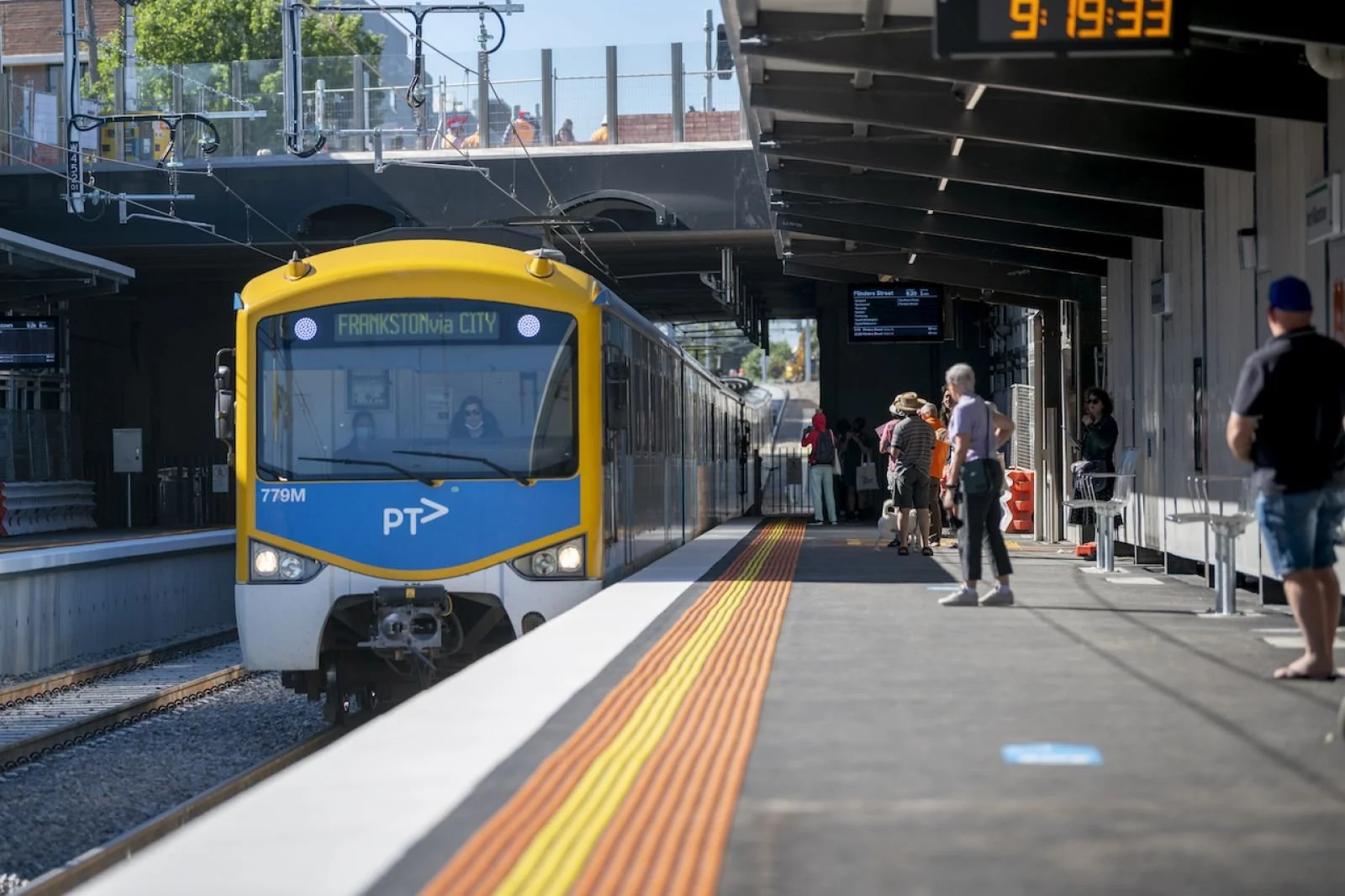
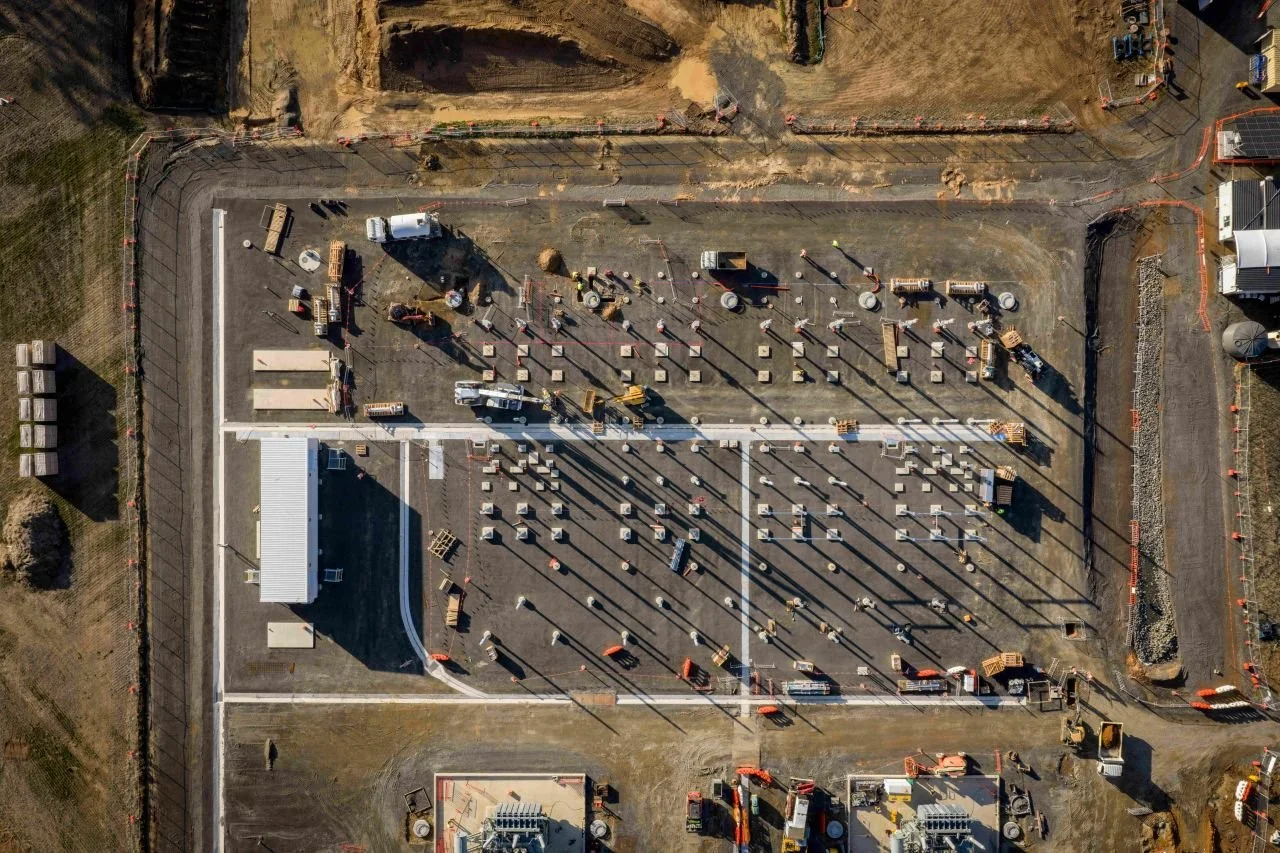
That matters for civil contractors because the next wave of work will not rely on one project type or one delivery model. It will come through a wider spread of packages, clients, locations and risk profiles. In Victoria, that includes renewable energy zone Victoria works, transmission infrastructure Victoria, substation civil works, road and drainage upgrades tied to growth areas, and the enabling works that support housing delivery. The Victorian Major Projects Pipeline already reflects that mix, including renewable energy projects and Housing Support Program works for demolition, roads and utilities.
Why the Shift Matters
This shift changes more than the logo on the tender. It changes how projects need to get set up.
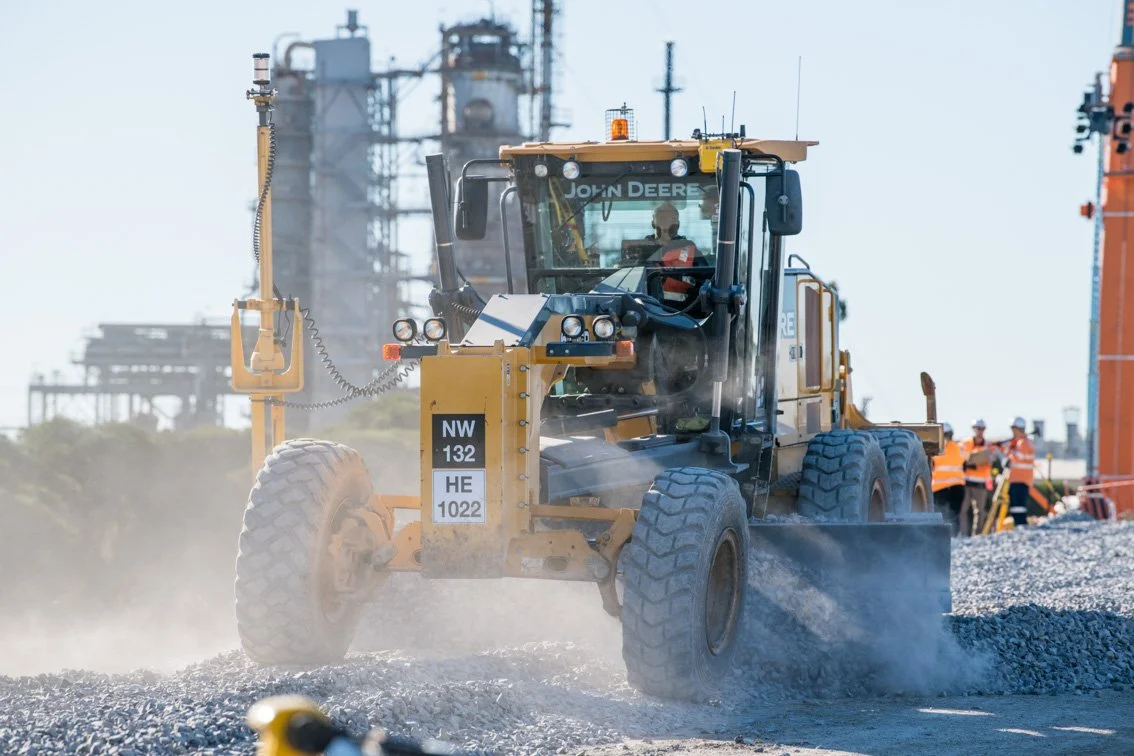
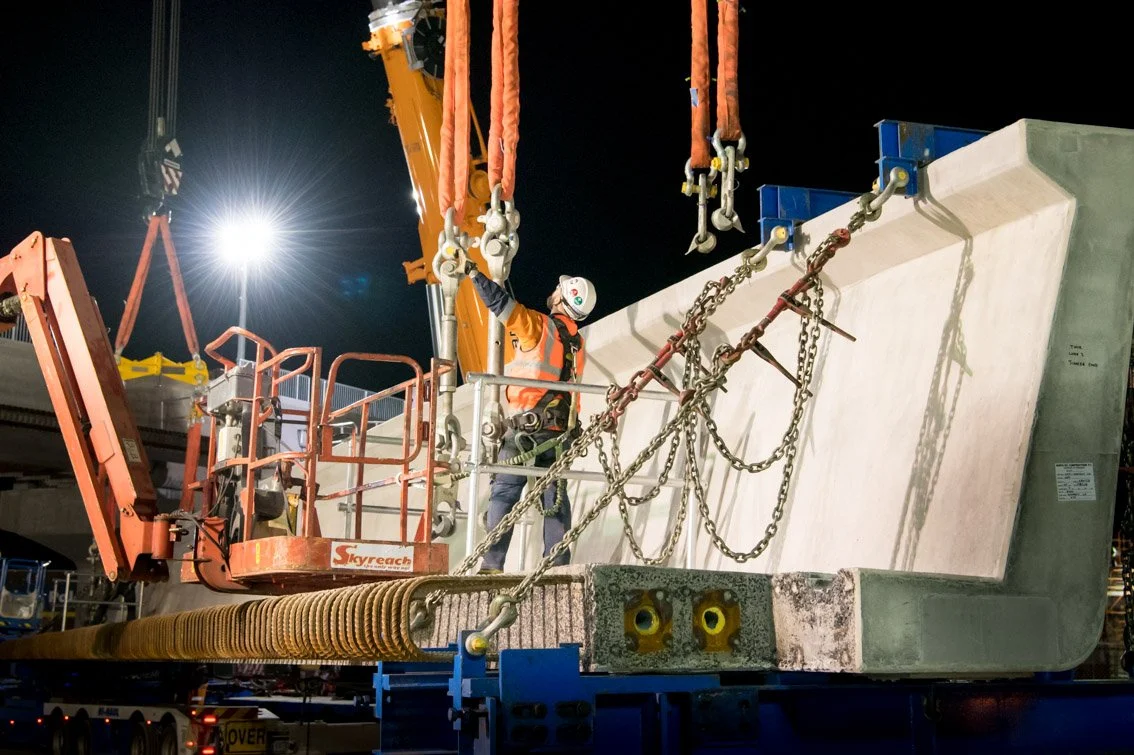
Housing-enabling works and energy-enabling works often carry a different profile from traditional mega transport packages. The scopes can look smaller on paper but still carry live utility interfaces, authority approvals, community pressure, staging constraints, geotechnical uncertainty and tight procurement windows. A pipeline upgrade, a pump station, a battery site, a new substation access road or a package of drainage and road works in a growth corridor can all carry the same need for disciplined front-end planning as a far larger rail job.
That is where the market often makes mistakes. Contractors chase the opportunity, build a number, submit the tender, then sort out the detail later. In this environment, that approach leaves too much risk in the ground.
A stronger approach starts earlier. It starts with project feasibility study infrastructure work that tests scope, programme, methodology and commercial assumptions before the job moves into a fixed strategy. It pulls in cost planning infrastructure, constructability, procurement thinking and programme logic at the point where they can still influence the outcome.
Victoria’s long-term infrastructure strategy points in the same direction. Infrastructure Victoria’s 2025 to 2055 strategy spans housing, energy, transport and social infrastructure, and includes a strong focus on locating more homes near existing infrastructure. That pushes more attention onto the civil works that support growth, not just the transport megaprojects that tend to dominate public discussion.
The New Civil Opportunity
For civil contractors, the opportunity sits in the overlap.
A housing-enabling package still needs sharp methodology, realistic staging and a credible programme. A transmission or BESS package still needs robust take-offs, procurement strategy and delivery planning. A water or utilities package still needs disciplined risk review, temporary works thinking and clear interface management.
In other words, the market still rewards the same fundamentals. It just applies them across a broader mix of sectors.
That broader mix suits DEC Projects. Our work already spans project development, estimating, quantity surveying infrastructure, tender support infrastructure and project delivery, with support tailored to where the client needs us most. DEC’s capability statement sets that out clearly, covering TOC development, basis of estimate, methodology and optimisation, procurement and supply chain, QS, project feasibility, cost planning, tender support and delivery resources.
That range matters because clients do not always need the same service at the same time. One project needs constructability review Victoria and a clean basis of estimate during early development. Another needs quantity surveying infrastructure support to test budget movement and review design options. Another needs boots on the ground to help push delivery through staging, interfaces and close-out. DEC works across that full lifecycle.
What Good Front-End Work Looks Like
In this market, good front-end work does not mean more paperwork. It means clearer decisions.
It means understanding which assumptions drive the number. It means checking whether the programme matches the access strategy. It means testing procurement against market capacity. It means identifying where the civil scope touches rail, utilities, structures, environmental approvals or live operations. It means shaping a delivery plan that can actually hold once the project leaves the tender room.
That thinking sits behind a lot of DEC’s work. Our capability statement places project feasibility studies, budget validation, cost assessment review, value engineering, TOC development and delivery planning side by side, not in separate silos. That reflects how projects actually run in Australian civil construction. Pre-contract decisions flow directly into cost, procurement and delivery outcomes.
Where DEC Fits
DEC does not try to replace a client’s internal team. We step in where the project needs more depth, more capacity or a more structured front-end process.
Sometimes that starts in early TOC and project development. Sometimes it starts with estimating, cost planning or QS. Sometimes it continues through tender support and into delivery, where access to project engineers and delivery personnel helps keep strategy connected to site reality. DEC’s capability statement and team profiles both reinforce that delivery-led model.
Victoria’s civil infrastructure market now rewards that kind of joined-up thinking. The next opportunities will not sit in transport alone. They will come through housing-enabling works, energy transition packages, utilities upgrades and the civil infrastructure that helps growth happen.
The contractors who read that shift early, price it properly and plan it well will put themselves in the best position to win and deliver.
If your next pursuit needs support from project feasibility study infrastructure and TOC development through to cost planning infrastructure, quantity surveying infrastructure and delivery-stage support, get in touch with DEC Projects. We help clients shape clearer strategies, stronger submissions and more buildable outcomes from day one.